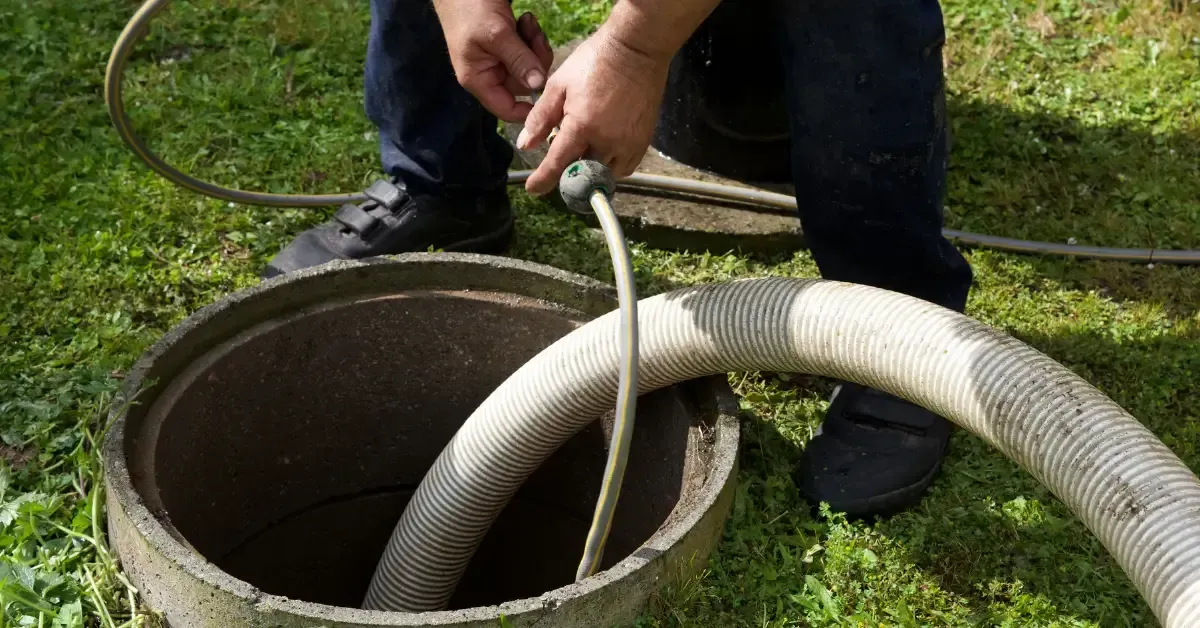
Understanding Sewer Line Problems & Solutions | Eddyson Plumbing
The sewer line is the unsung hero of your plumbing system, quietly transporting waste away from your home or business. When it fails, the consequences are messy, costly and hazardous. Understanding the causes, symptoms and solutions for sewer line issues helps you act quickly and protect your property.
Causes of sewer line problems

Tree roots – Roots naturally seek moisture and nutrients, making sewer pipes an attractive target. Older clay and cast iron pipes are especially vulnerable to root intrusion, which can crack or collapse the pipe.
Pipe material deterioration – Clay pipes installed before the 1980s can crack or break under soil movement. Cast iron corrodes over time. Plastic (PVC) pipes are more resilient but can sag in unstable soil. Rapid Fire Plumbing notes that cast iron pipes last 75–100 years, but factors like temperature extremes and contaminants can reduce lifespanrapidfireplumbing.com.
Clogs and blockages – Grease, wipes, feminine products and debris accumulate over time, obstructing flow. Clogged lines cause backups into bathtubs, sinks and floor drains.
Ground movement and soil conditions – Expansive clay soils in the Ohio River valley expand and contract with moisture, stressing pipes. Construction, heavy traffic and earthquakes can also cause shifts.
Grease buildup – Pouring grease down drains solidifies in pipes, contributing to clogs and promoting root growth.
Signs of a sewer line issue
Patrick Riley Services outlines several warning signs of broken sewer lines: persistent sewer odors, multiple backups in fixtures, mold growth, slow drains despite clearing clogs, gurgling toilets, sewage in the yard, foundation cracks, sinking driveways, lush green patches over sewer lines, and rodent problemspatrickrileyservices.com. If you notice more than one of these signs, call a plumber immediately.
Health and environmental risks
Sewer leaks expose your family to harmful bacteria and viruses. Sewage can contaminate drinking water wells and local waterways, harming wildlife and causing fines from environmental agencies. Timely repairs protect public health and prevent hefty penalties.
Diagnosis and inspection

Plumbers diagnose sewer line issues using:
Camera inspection – A waterproof camera inserted into the sewer line identifies blockages, breaks, and root intrusion. Footage helps locate the exact spot of damage.
Smoke testing – Non‑toxic smoke pumped into the sewer system reveals cracks or improper connections when smoke escapes.
Locating equipment – Electronic locators trace the sewer line path underground, aiding targeted excavation.
Repair options
Traditional excavation – The damaged section is dug up and replaced. This method is disruptive but sometimes necessary for collapsed pipes or severe damage.
Trenchless pipe bursting – A bursting head breaks the old pipe while pulling a new pipe into place. It requires minimal digging and is ideal for replacing small sections of pipe.
Trenchless pipe lining (CIPP) – A resin‑soaked liner is inserted into the damaged pipe and cured in place, creating a new pipe within the old one. This method is less disruptive and extends the pipe’s life.
Your plumber will recommend the best option based on pipe condition, material, location and local code requirements.
Preventative measures
Regular cleaning and inspections – Schedule professional drain cleaning and sewer camera inspections every 1–2 years to detect early issues.
Proper disposal – Avoid flushing wipes, diapers, grease and other non‑flushables.
Root barriers and landscaping – Plant trees away from sewer lines; install root barriers if trees are near the line.
Repair leaks promptly – A small leak can become a major break. Fix leaks and address clogs before they worsen.
Local considerations and codes
Many homes in Ashland and southern Ohio have clay sewer pipes susceptible to root intrusion and collapse. The area’s soil shifts during freeze‑thaw cycles, increasing stress on pipes. If your property is near the Ohio River floodplain, high groundwater levels add pressure. Sewer repairs require permits and inspections; licensed plumbers like Eddyson handle these processes. We are familiar with local regulations and can suggest trenchless options to minimize landscape disruption.

Conclusion
Don’t ignore signs of sewer trouble. A broken sewer line threatens your home’s structural integrity and your family’s health. Eddyson Plumbing provides thorough inspections, trenchless repairs and preventative maintenance. If you suspect a sewer problem, contact us for an assessment and keep your sewer system functioning smoothly.
