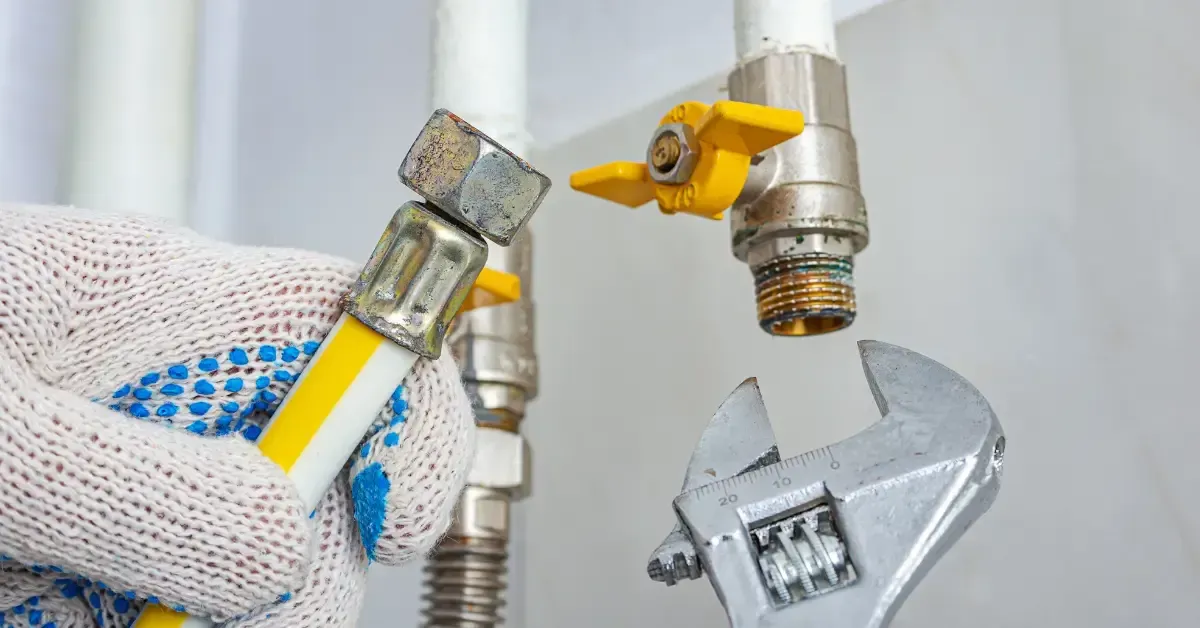
Gas Line Installation & Repair: Safety Tips for Ashland & Southern Ohio
Natural gas powers furnaces, water heaters, stoves and outdoor grills, offering efficient heat and convenience. However, gas is highly flammable and potentially explosive when mishandled. Installing or repairing gas lines requires expertise, permits and adherence to stringent codes. Eddyson Plumbing has years of experience safely installing and repairing gas lines in Ashland, KY and southern Ohio. Here’s what homeowners need to know.
Materials and codes
Gas lines can be made from different materials: black steel pipe is common for interior lines; copper is sometimes used for propane but may be restricted for natural gas; corrugated stainless steel tubing (CSST) is flexible and easier to route but must be bonded correctly; and polyethylene (PE) pipe is used for buried exterior lines. Codes vary by jurisdiction. In Kentucky and Ohio, gas work must comply with state plumbing and mechanical codes as well as the National Fuel Gas Code (NFPA 54).
Permits and professional licensing

Big B’s Home Pro stresses that installing a gas line is not a DIY project. Licensed plumbing contractors know the correct materials, obtain permits, follow safety codes and coordinate inspections. Failing to pull a permit can void insurance coverage and result in fines. Professional plumbers calculate pipe sizing to ensure adequate gas flow, select the proper fittings and ensure joints are properly sealed. They also pressure‑test the system before connecting appliances.
Signs of gas leaks and emergency procedures
Gas leaks are dangerous. Callahan’s Gas lists warning signs: structural damage to the pipe, the smell of rotten eggs (added odorant), hissing sounds and dead vegetation near an exterior line. If you suspect a gas leak:
Do not operate lights or appliances; sparks can ignite gas.
Evacuate everyone from the building immediately.
If safe to do so, turn off the gas at the meter.
From a safe location, call 911 and your gas utility.
Do not reenter the home until professionals say it’s safe.
Signs of prolonged exposure include headaches, dizziness, nausea and fatigue. If you experience these symptoms in a home with gas appliances, seek fresh air and medical attention.
Installation process

Planning the route – A licensed plumber will survey the property to determine the best path for the gas line, considering distance from other utilities, proper clearances and venting requirements.
Sizing the line – Gas pipe sizing must accommodate the total BTU load of connected appliances to ensure adequate pressure. Undersized lines cause appliance malfunction or leaks.
Permits and inspections – After planning, permits are obtained from the local building department. Inspectors verify compliance at rough‑in and final stages.
Installing and connecting – The plumber cuts and threads black steel pipe or runs CSST/PE according to code. They use approved fittings and sealants, install shut‑off valves at appliances and maintain required clearances.
Pressure testing – The system is pressurized with air or inert gas and monitored for leaks. Once it passes inspection, gas service is connected, and appliances are lit.
Maintenance and repairs
Gas lines are durable but require periodic inspection. Look for rust, corrosion, dents or exposed piping. Install protective sleeves on exterior lines to prevent damage from lawn tools. Replace outdated materials such as bare copper (prohibited in many areas) or unbonded CSST. If you remodel or add new appliances, have a plumber evaluate whether the existing gas line can handle additional load. Eddyson Plumbing provides gas line inspections, leak detection and repairs. We handle everything from installing gas ranges and outdoor kitchens to relocating meters.

Conclusion
Gas lines provide comfort and convenience but come with responsibility. Don’t risk your family’s safety by attempting DIY installation or ignoring warning signs. If you need a new gas line or suspect a leak, contact Eddyson Plumbing. We’ll ensure your gas system is safe, code‑compliant and efficient.
