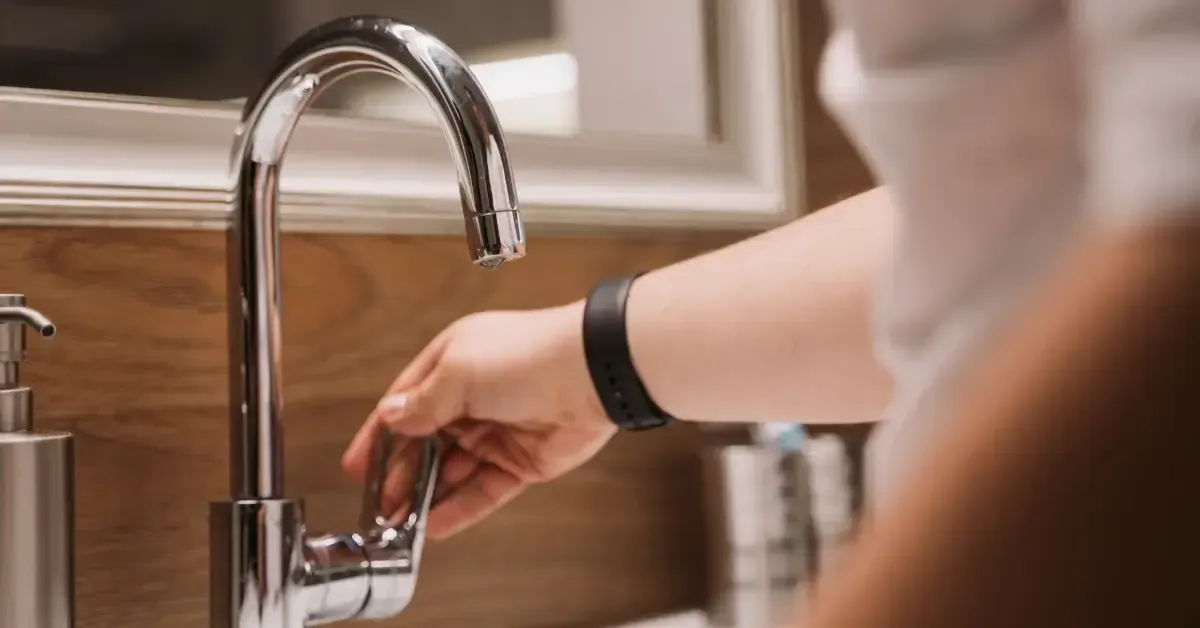
Save Money with Efficient Plumbing Fixtures | WaterSense & Energy Tips
Water and energy costs continue to rise, making efficiency a top priority for homeowners and businesses. Upgrading plumbing fixtures is one of the easiest ways to reduce consumption without sacrificing comfort. In Ashland and southern Ohio, many utilities offer rebates for WaterSense‑labeled products, and the savings add up quickly. Let’s explore how efficient fixtures work and why they’re worth the investment.
What makes a fixture efficient?

Efficient plumbing fixtures deliver the same functionality using less water. Key design features include:
Reduced flow rates – Standard showerheads use about 2.5 gallons per minute (GPM); WaterSense‑certified models use 2.0 GPM or less without compromising pressure. Faucets reduce flow from 2.2 GPM to 1.5 GPM or lower.
Aerators – These insert air into the water stream, creating a powerful flow with less volume. Aerators are inexpensive and can be retrofitted onto existing faucets.
Improved flushing technology – Dual‑flush toilets use two different flush volumes (around 0.8 GPF for liquids and 1.28 GPF for solids) versus older toilets that use 3–5 GPF. Pressure‑assisted models use compressed air to push water through the bowl efficiently.
Smart appliances – High‑efficiency washing machines adjust water usage based on load size; Energy Star dishwashers use sensors to optimize cycles. Some models connect to smart home systems for added convenience.
Types of efficient fixtures
Low‑flow showerheads and faucets – These deliver strong water pressure while reducing consumption. Many include multiple spray settings and pause buttons. The EPA’s WaterSense label indicates they meet stringent performance and efficiency criteria.

High‑efficiency toilets – Single‑flush models use 1.28 gallons per flush (GPF) or less; dual‑flush models offer choice. Pressure‑assisted toilets provide powerful flushing with less water.
Touchless faucets – Motion‑activated faucets reduce water usage by automatically shutting off when hands are removed. They’re ideal for businesses and homes seeking hygienic solutions.
Smart washing machines and dishwashers – These appliances use sensors to adjust water and energy consumption, earning Energy Star certification.
Recirculating pumps – Installed at the water heater, these pumps circulate hot water through the system, reducing waste while waiting for hot water to arrive at the tap.
Benefits and savings

Installing efficient fixtures can reduce household water use by up to 20% or more, leading to lower water and energy bills. For example, replacing a standard 2.5 GPM showerhead with a 2.0 GPM model saves roughly 2,900 gallons per year. If your local water rate is $0.005 per gallon, that’s about $14.50 annually for one showerhead—multiply by multiple fixtures and the savings add up. High‑efficiency toilets can save 13,000 gallons per year compared to older toilets. Using less hot water also reduces energy used to heat water, lowering utility bills further. Efficient fixtures also reduce strain on septic systems and municipal wastewater treatment.
Myths and misconceptions
Many homeowners worry that low‑flow fixtures mean weak showers and frequent toilet clogs. Modern technology addresses these concerns. Aerated showerheads maintain pressure, and dual‑flush toilets provide a powerful flush using less water. Choose models certified by WaterSense or Energy Star for reliable performance.
Rebates and incentives
Water and energy utilities across Kentucky and Ohio often offer rebates for installing efficient fixtures. Check with Kentucky American Water, Ashland Water Department or your local utility for current programs. Some states provide tax credits for high‑efficiency appliances. Federal programs may offer credits for Energy Star washers or solar water heaters. Rebate amounts range from $30 to $200 per fixture, offsetting upfront costs.
Professional installation and retrofitting
Installing efficient fixtures may seem straightforward, but professional installation ensures optimal performance and compliance with plumbing codes. For example, a dual‑flush toilet must be level, properly sealed and anchored to prevent leaks. Touchless faucets require correct sensor alignment and power connection. Eddyson Plumbing can retrofit existing fixtures with aerators and low‑flow showerheads or replace older toilets and appliances. We also advise on whole‑house upgrades, including recirculating pumps and water softeners to protect new fixtures from mineral buildup.
Conclusion
Efficient plumbing fixtures save money, conserve water and reduce environmental impact. Whether you’re upgrading one bathroom or outfitting an entire commercial property, Eddyson Plumbing can help you select and install the right fixtures. Contact us to explore WaterSense options, apply for rebates and start saving today.
