How to Detect Hidden Water Leaks in Your Home | Eddyson Plumbing
Hidden water leaks are silent enemies. They waste water, raise bills, damage structures and promote mold growth. In Ashland, KY and southern Ohio, where many homes have basements or slab foundations, leaks can go unnoticed for months. By the time water stains appear, the damage may already be significant. Detecting leaks early is crucial for preserving your home’s integrity and your wallet.
Monitor your water meter and bills
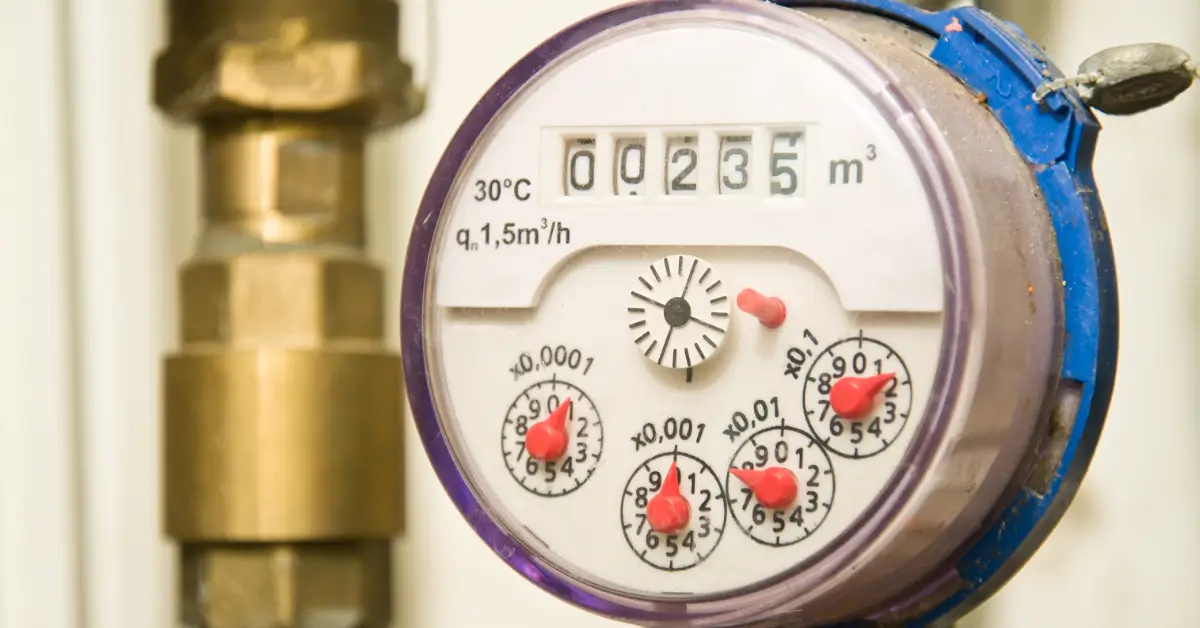
The EPA suggests a simple method to check for leaks: note your water meter reading, avoid using water for two hours, then check again. If the reading changes, there may be a leak. Conduct this test when the household is away or asleep to ensure no water is being used. Compare your monthly bills; a sudden spike without increased usage indicates a hidden leak.
Check obvious sources

Toilets – Toilets are common culprits. Place a few drops of food coloring in the tank; if color seeps into the bowl within 15 minutes, you have a flapper leak.
Faucets and showerheads – Check for drips and moisture around handles and supply hoses. Replace worn washers and cartridges.
Supply lines and appliances – Inspect braided stainless steel hoses behind washing machines, dishwashers and refrigerators. Look for rust, kinks and bulges. Under‑sink supply lines can loosen over time.
Inspect hidden areas
Leaks often hide behind cabinets and appliances. Use a flashlight to look for moisture, discoloration, warped flooring and mold. Check around the base of water heaters and under sinks. Pay attention to musty odors.
Advanced leak detection tools
Professional plumbers use specialised equipment to locate hidden leaks without tearing open walls. These include:
Acoustic leak detectors – These devices listen for the sound of water escaping under pressure. They are effective for locating leaks in buried or hidden pipes.
Thermal imaging cameras – By capturing variations in surface temperature, thermal cameras reveal cold spots from water leakage behind walls or under floors.
Moisture meters – These handheld tools measure moisture content in materials like drywall and wood. Elevated readings indicate leaks behind surfaces.
These tools require training and are best used by licensed plumbers. Eddyson Plumbing employs leak detection specialists equipped with the latest technology to find and repair leaks with minimal disruption.
Check outdoor and underground leaks
Outdoor leaks can be just as damaging. Inspect irrigation systems, hose bibs and outdoor spigots. Walk around your yard and look for unusually wet patches or lush green areas that may indicate a buried pipe leak. In slab‑on‑grade homes, slab leaks occur when pipes beneath the concrete slab leak. Signs include warm spots on floors, unexplained moisture and increased water bills. Locating and repairing slab leaks requires professional equipment and expertise.
Preventive measures
Regular maintenance – Annual inspections by a plumber can catch leaks early. Have your water heater, supply lines and fixtures checked during maintenance visits.

Pipe insulation – Insulating pipes in unheated areas prevents freezing and cracking during winter.
Pressure regulation – High water pressure stresses pipes and joints. Install a pressure regulator and check it periodically.
Upgrade plumbing materials – Replace old galvanized or polybutylene piping with modern PEX or copper to reduce leaks.
Conclusion
Detecting hidden leaks isn’t just about saving water—it’s about safeguarding your home and health. If you suspect a leak, start with meter checks and dye tests. For leaks you can’t find, call Eddyson Plumbing. Our trained technicians use state‑of‑the‑art detection methods to locate and repair leaks quickly. Serving Ashland, KY and southern Ohio, we’ll help you protect your property and reduce your water bills.
